magic garden 1
Summary
The Bupa sponsored Magic Garden helped Sydney’s Powerhouse Museum increase visitation by revitalising its children’s exhibits with an immersive playground that inspired families to adopt habits of “Healthy Eating and Healthy Exercise” through the joy of outdoor play activities, in response to rising fatal illnesses in children. The design pioneered pedagogical playgrounds and grew through Word of Mouth to become its flagship exhibition for 6 years.
Opportunity
To put the joy back into adopting habits of “Healthy Eating and Healthy Exercise” to support children connect to what felt true to do for their bodies.
Objectives
To increase museum visitation and brand visibility of the sponsor’s Healthy Kids Foundation with a physical, engaging presence.
Team & community
Employed in the Museums’ Department of Interactives; I built a junior team of designers and creative talent; supported senior management form and work with an advisory board and sponsor; formed an insights community of parents and schools, liaised with Curatorial to scope the project and coordinated workshop teams and contractors to prototype and install.
Time and budget
1.5 years (2007-2008), $285,000 AUD.
Abundance Design Process
STEP 1 – Vision! Together, build a prototype of a radically positive future to discover the opportunity.
I worked with the Museum’s senior management to grow an insights community consisting of an advisory board of health and education specialists, and a network of families and schools to set the scope. To discover what would keep our visitors coming back for more I had to identify their enduring need to advance themselves first before spending the budget on a solution. This approach would break new ground, and it needed testing. To grow community support and identify their opportunity, I worked scrappy by continually returning to interview my network for insights and inspiration using sketches, 3D renders and life-sized rapid prototypes made from cardboard and found objects, as conversation material. I then verified that the opportunity appealed to a global audience using trend analysis, because over 70% of our visitors were tourists.
STEP 2 – Why? What is that grand opportunity people keep seeking to advance themselves? Now build that instead!
Key insight
The health expert’s style of communication wasn’t working because informing families about health risks, followed by a one-size-fits-all solution, struck fear. Families who were successful in supporting their children adopt healthy habits said they prioritised allowing their child to play creatively in nature, where they learned about life and gained a true sense for what their body needed. So, the enduring need was to inspire in children connection to what felt true to do for their body, in nature.
Solution
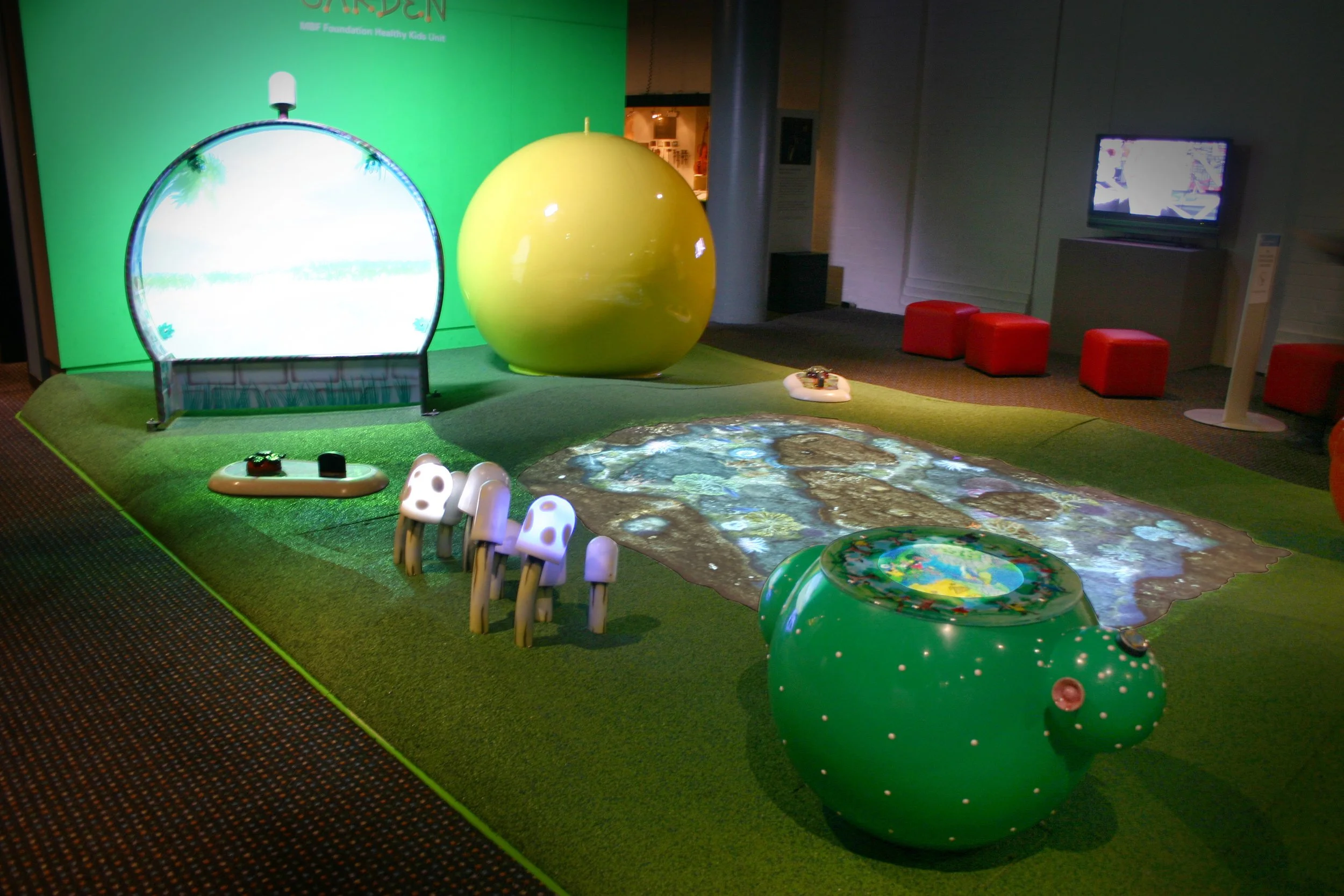
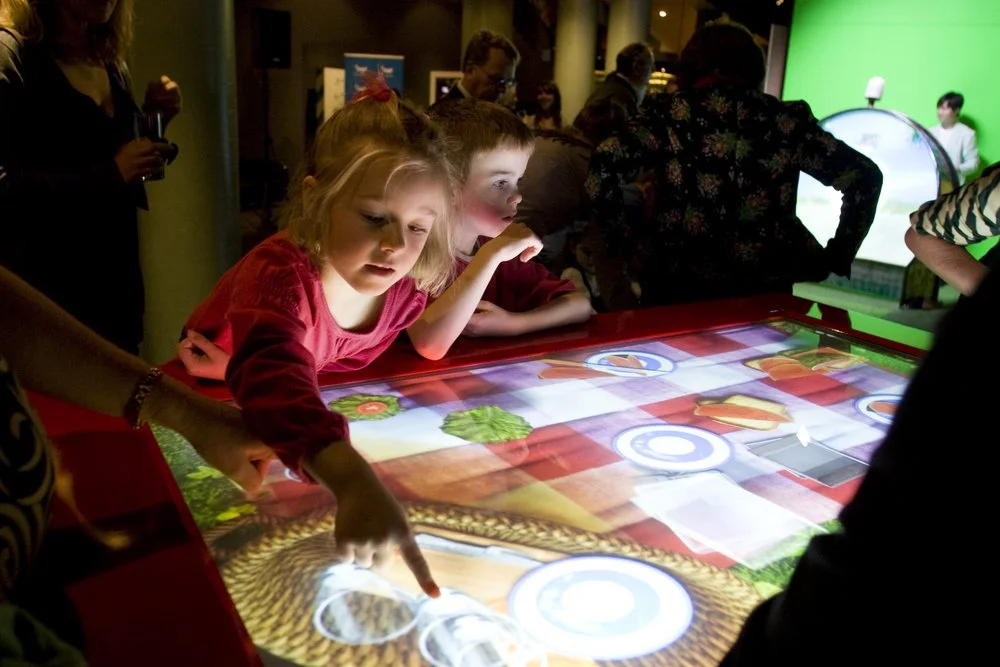
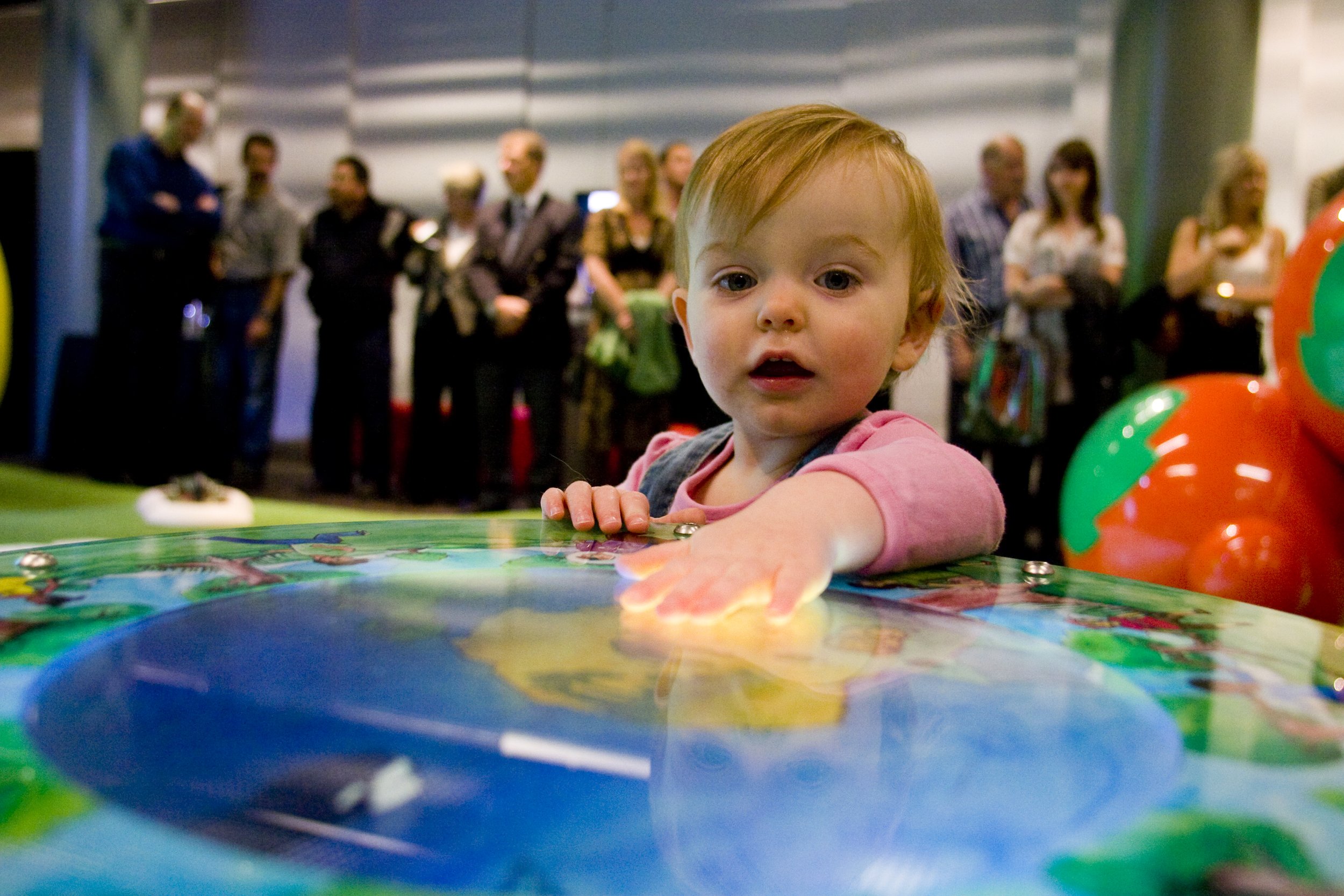
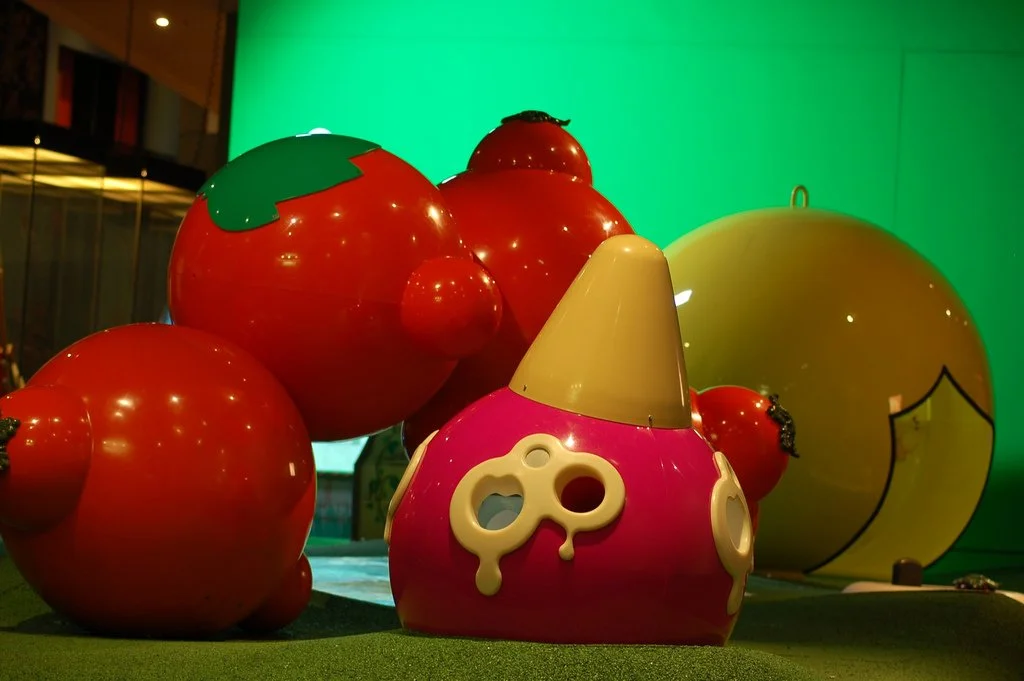
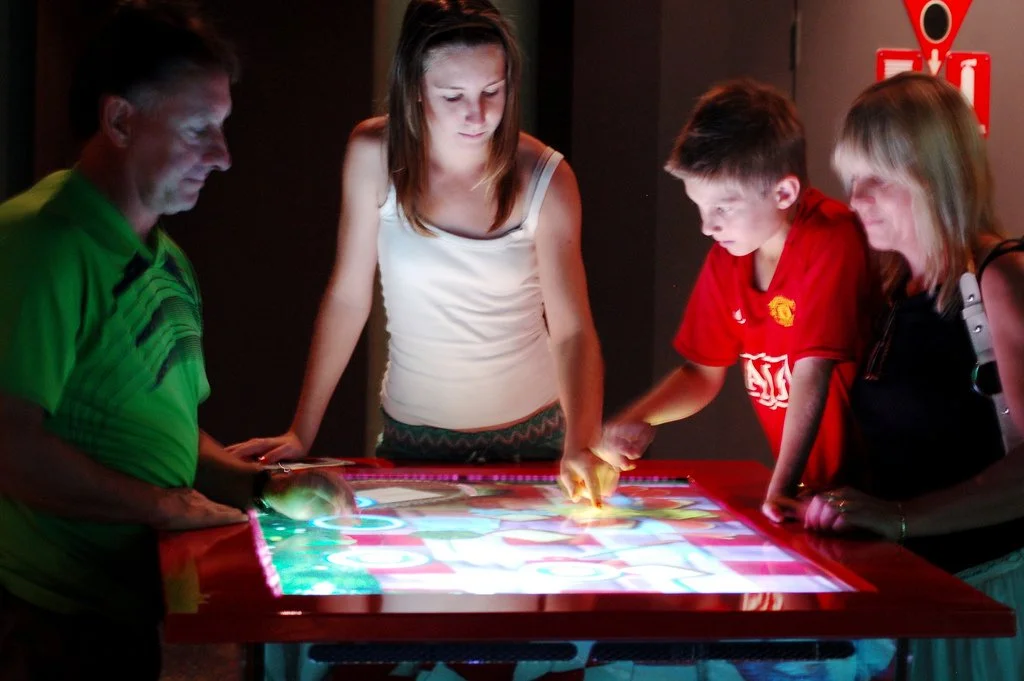
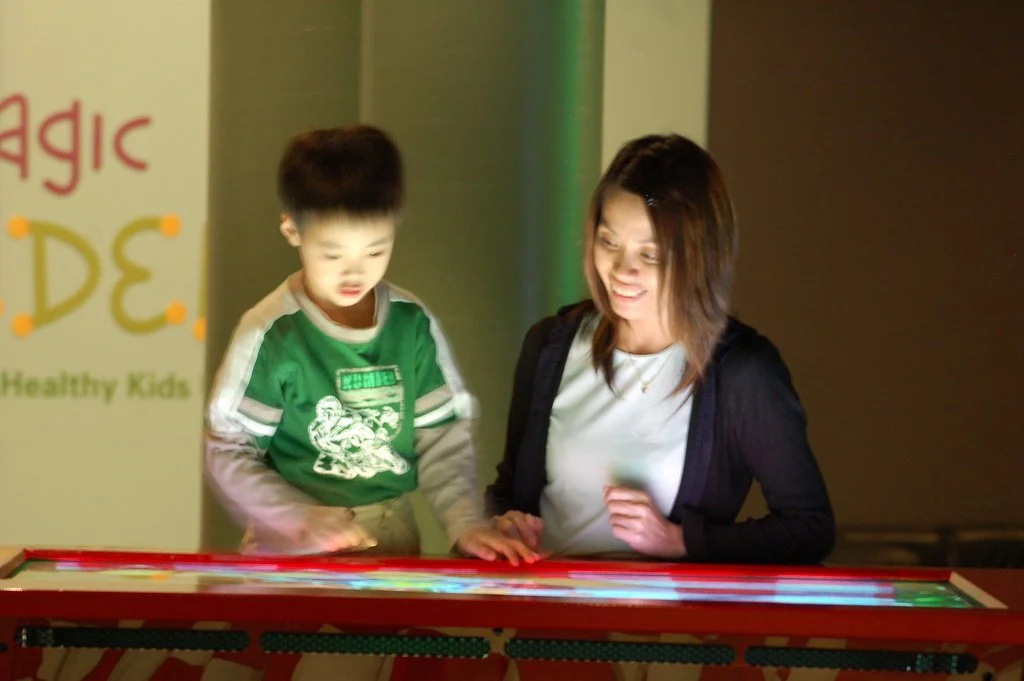
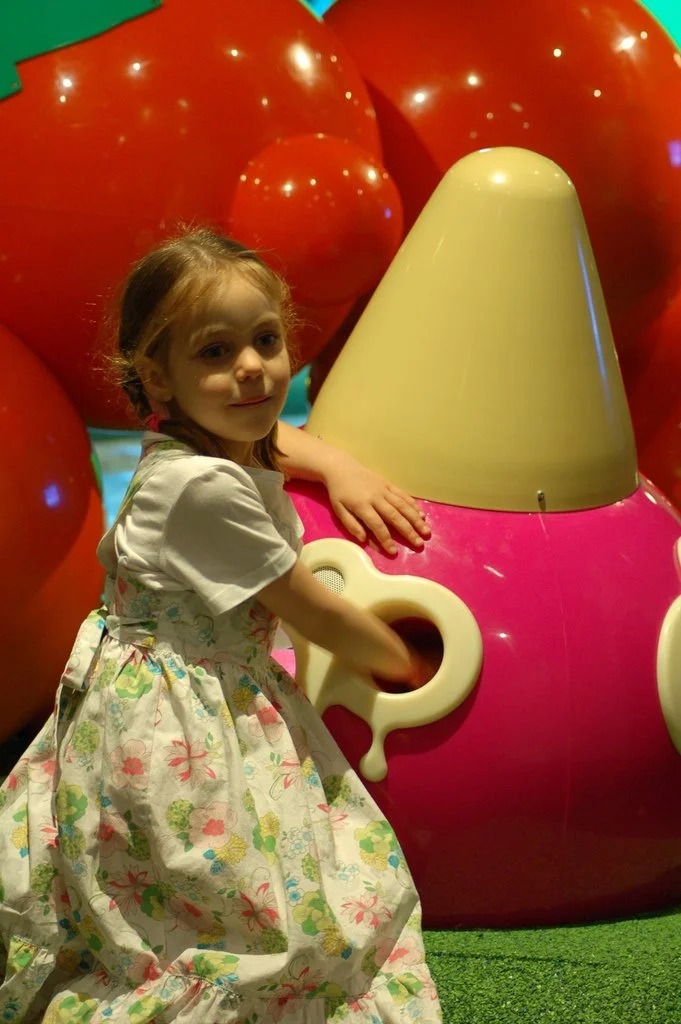
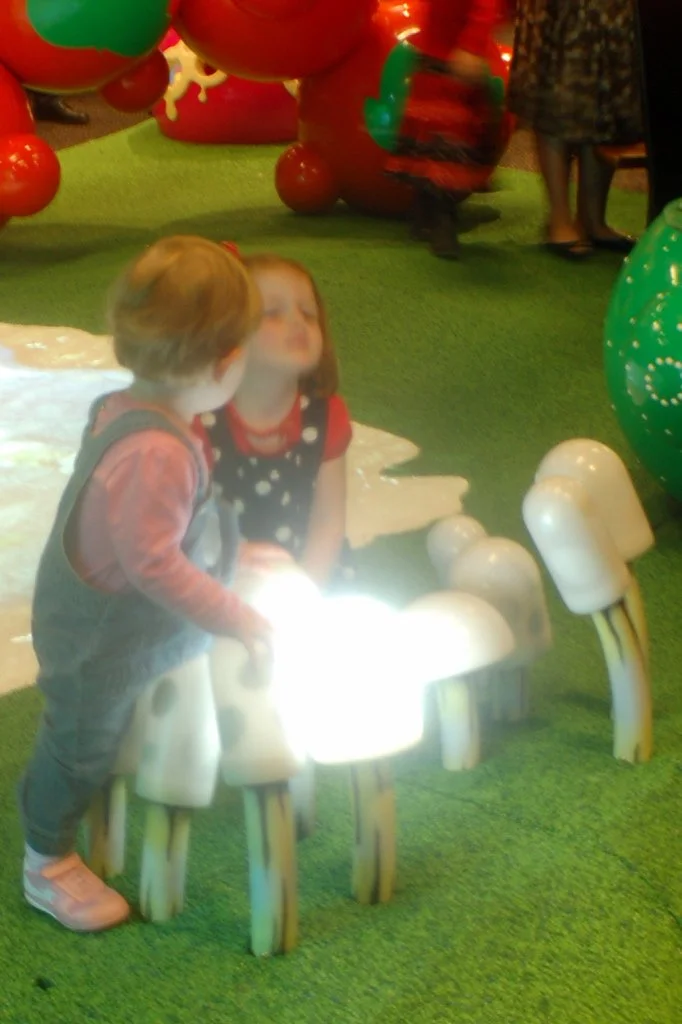
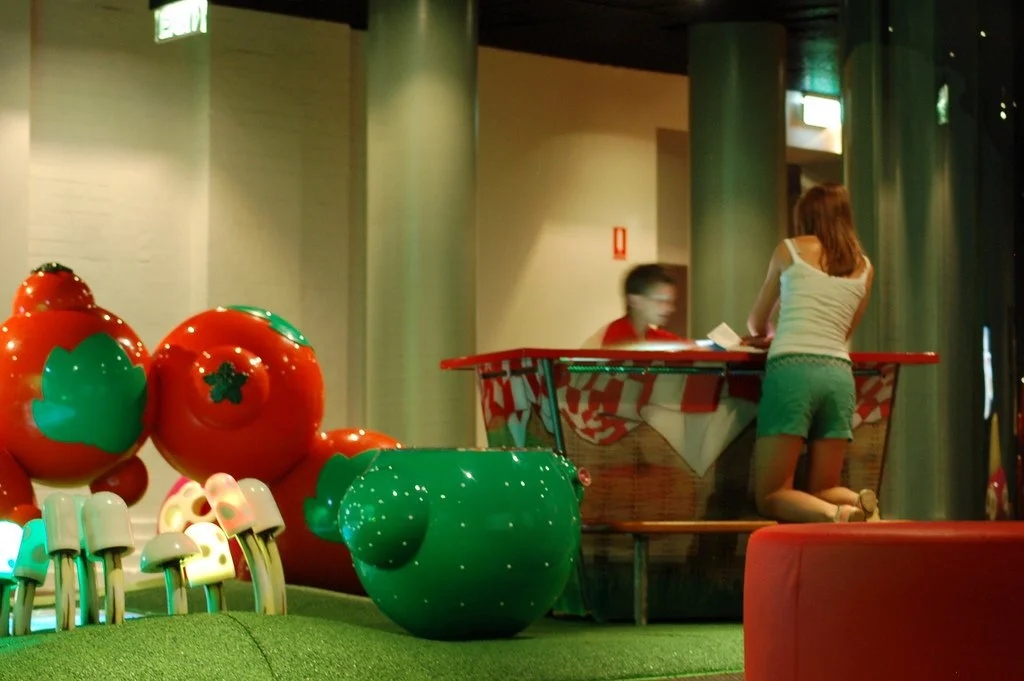
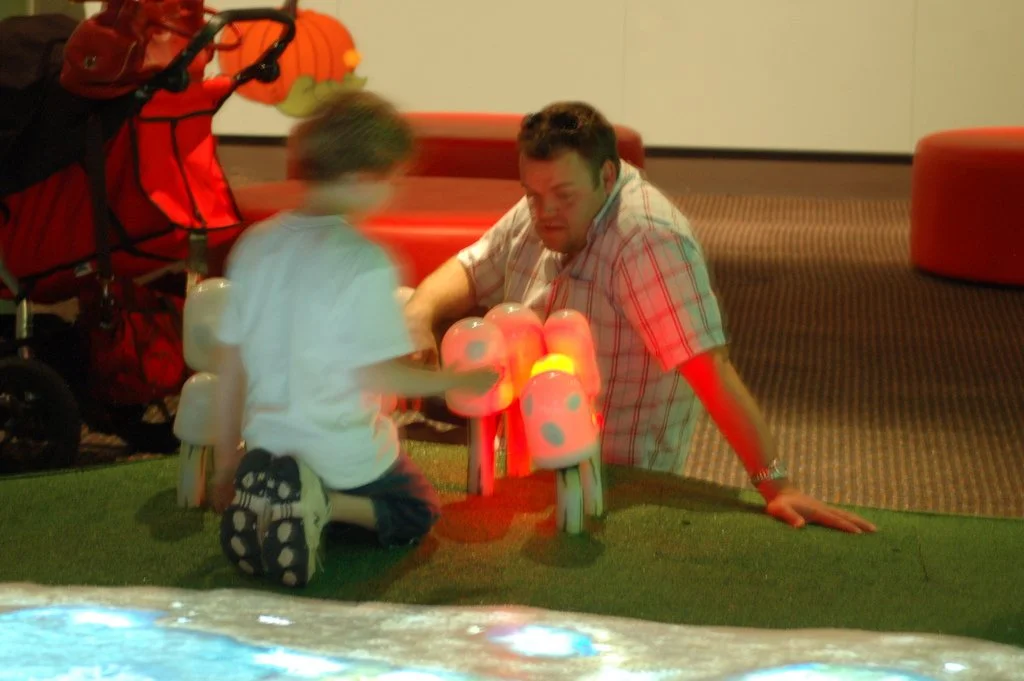
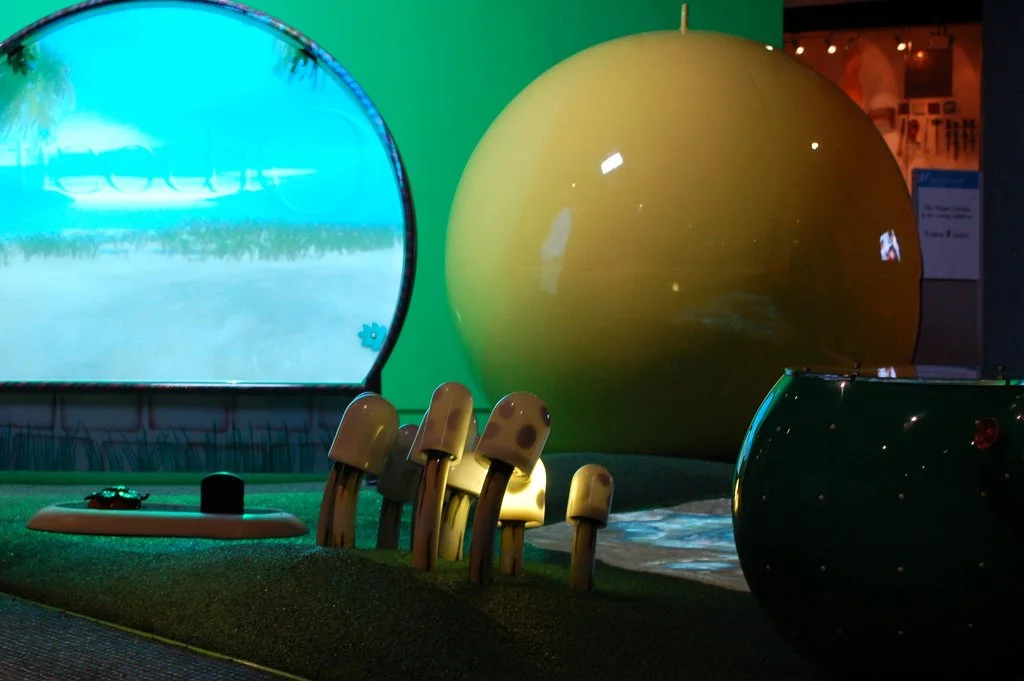
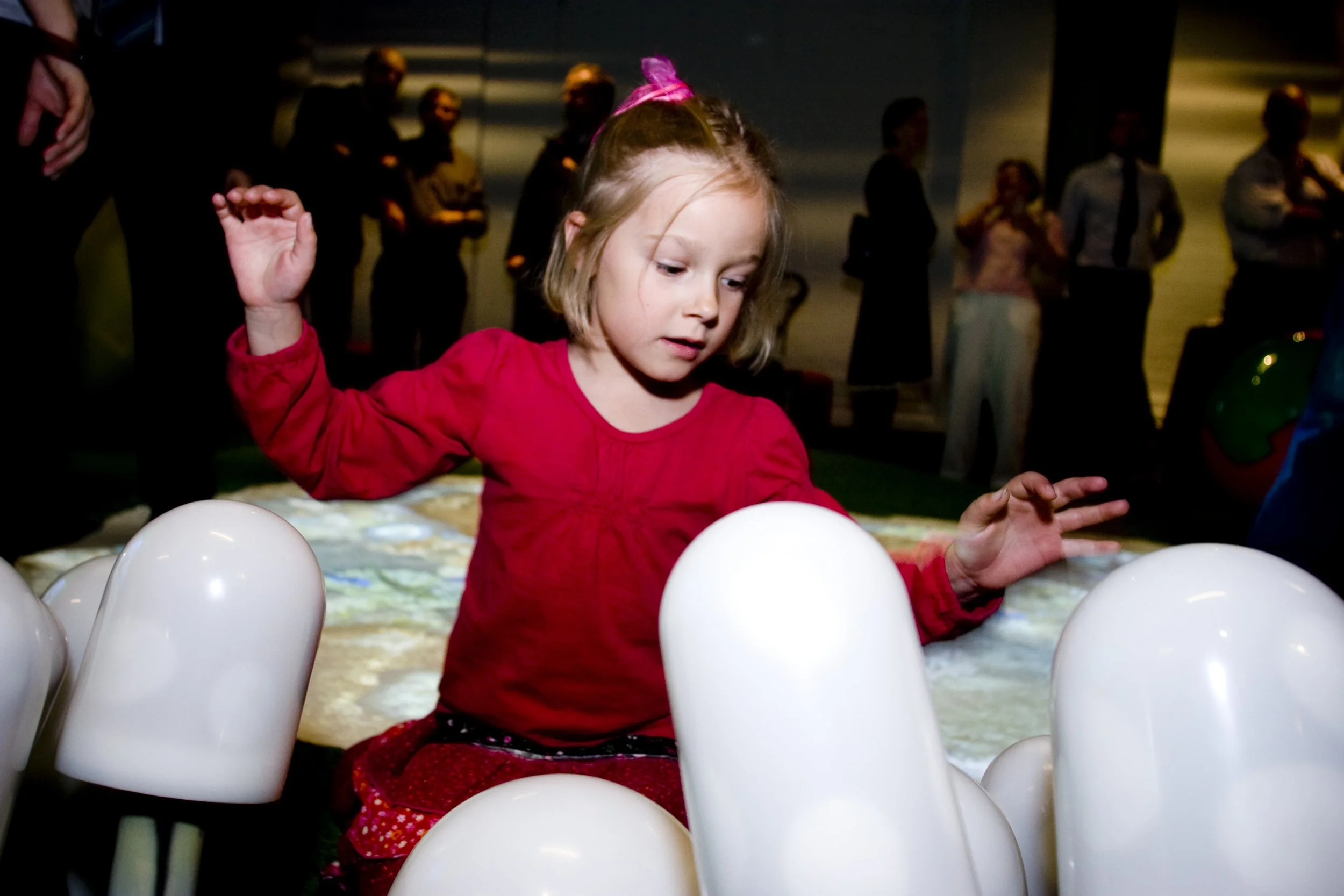
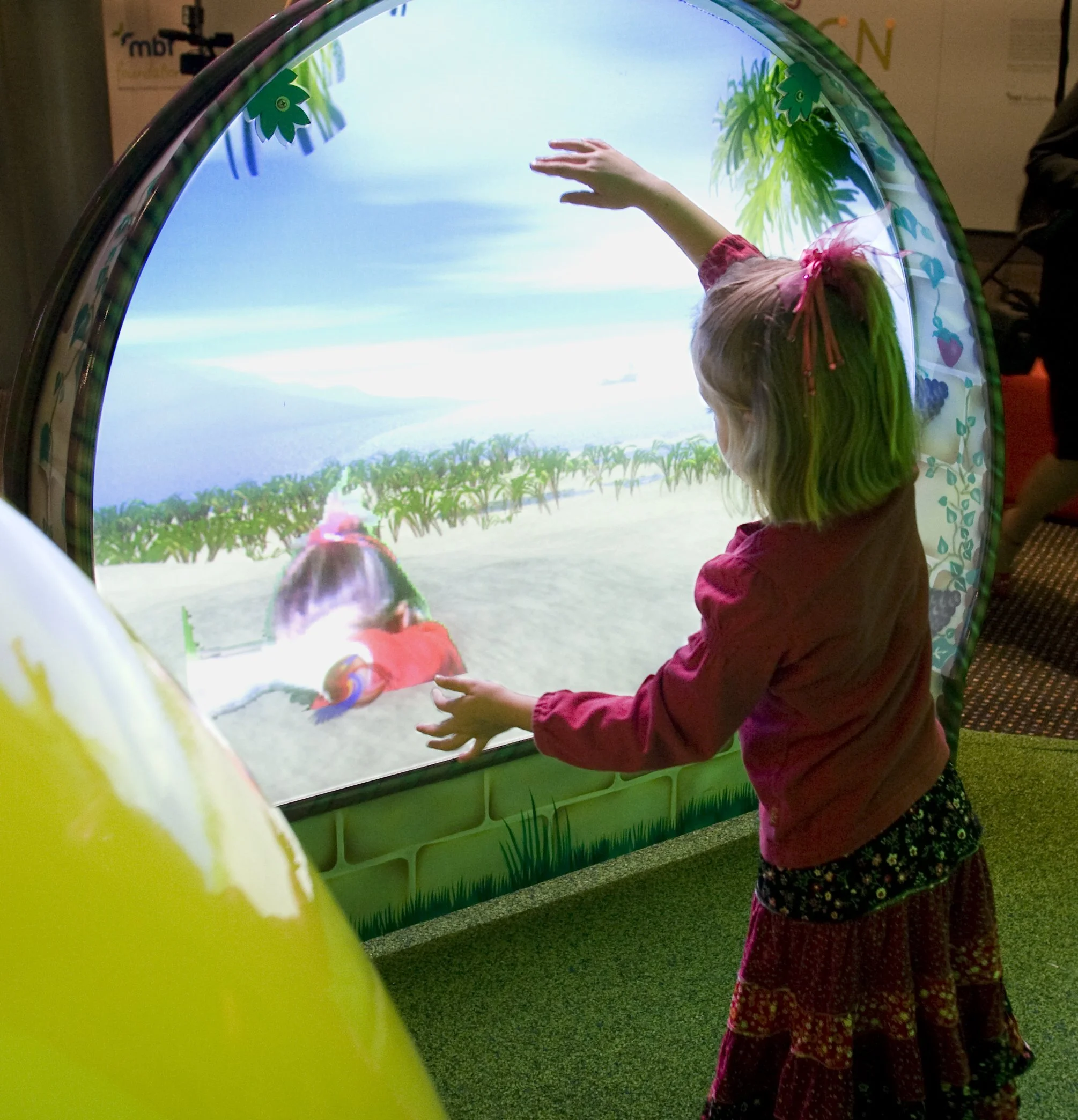
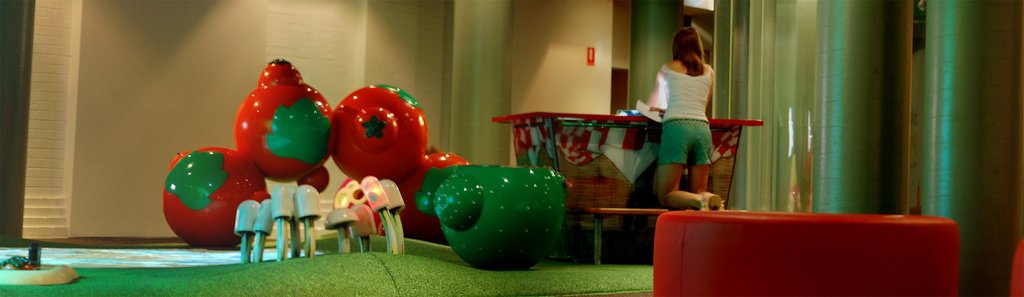
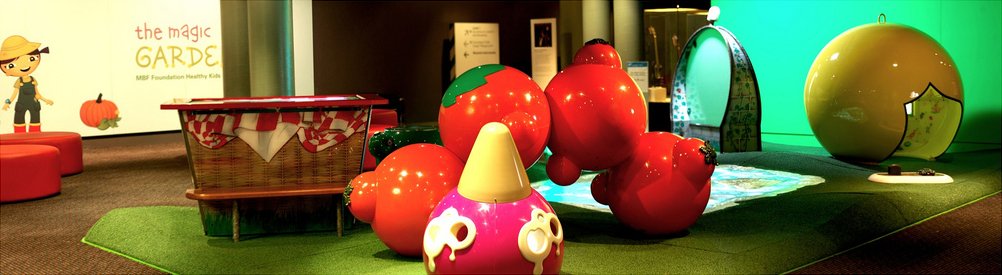
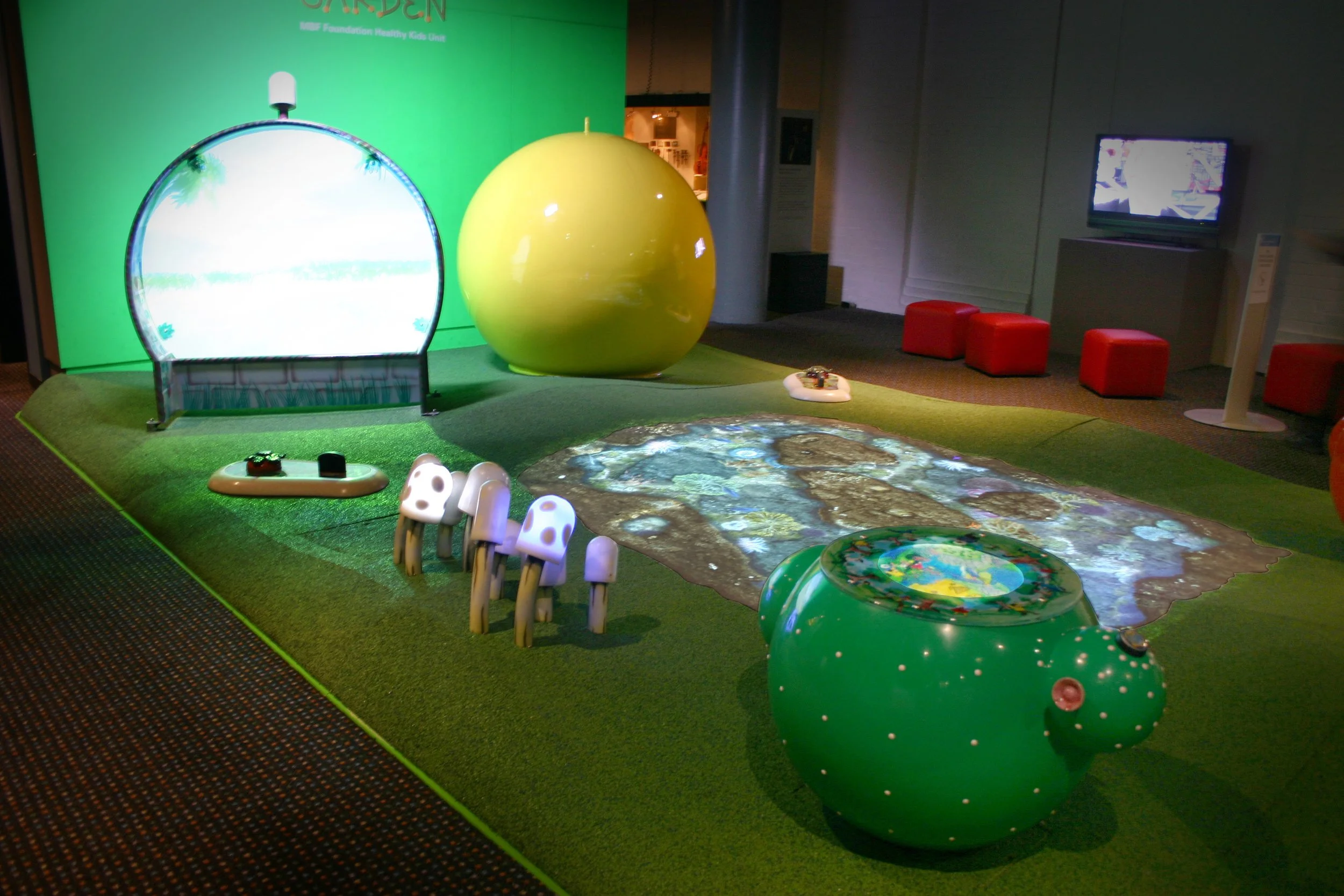
With a clear purpose, we styled the playground into an overgrown veggie patch inspired by the magic of the Secret Garden in reinstating the much-needed inspiration and joy that was also missing in the health industry. Seamlessly integrating digital technologies into the physical architecture of the playground gave us the flexibility to replicate the many familiar games and even the reflective activities children enjoyed in nature. A significant advance in pedagogy was therefore giving children space to reflect philosophically to connect to their truth too.
STEP 3 – Scale! Build your design ready for a bigger, global audience.
We made the design modular and customisable so that it could be installed in hospitals such with the support of specialists to broker the deal that I partnered onto the advisory board.
Impact
50% of the families we surveyed received the key messages, through play alone.
Business value
Word of Mouth grew the playground’s visitation to become its flagship exhibition for 6 years, and strengthened the sponsor relationship to brainstorm more projects. University of NSW and Bremen University described the use of digital technologies to do Children’s Philosophy as an innovation.
Post-launch observations
Preliterate children engaged in being philosophical using the arts, despite being told they were too young to do it. Role playing and being philosophical were innate to all children and sparked creative expression unique to each child.
Next steps
Magic Garden 2 would test the hypothesis that all we needed to spark creative genius in any child, in any part of the world, was to give children a role-playing space they could build their sets, props and costumes.
Credits
Bupa (MBF) Kids Health Foundation for sponsorship and insight. NSW Health and Sydney University for insights. Rotadyne for helping secure investment in the modular form with a prototype and supporting R&D to advance manufacturing techniques of playgrounds. All Plastics Engineering for fast turnaround on production support and supply of materials and knowledge for R&D. Museum workshop team for sharing R&D and prototyping. Vizi New Media for immersive tech. Westmead Children’s Hospital’s Morbid Obesity Clinic for insights. Photography courtesy of Marinco Kojdanovski @ Powerhouse Museum and Nyein Aung
The Opportunity
In 2007, I joined the Powerhouse Museum in Sydney and worked to become its Lead Industrial Designer in the Department of Interactives.
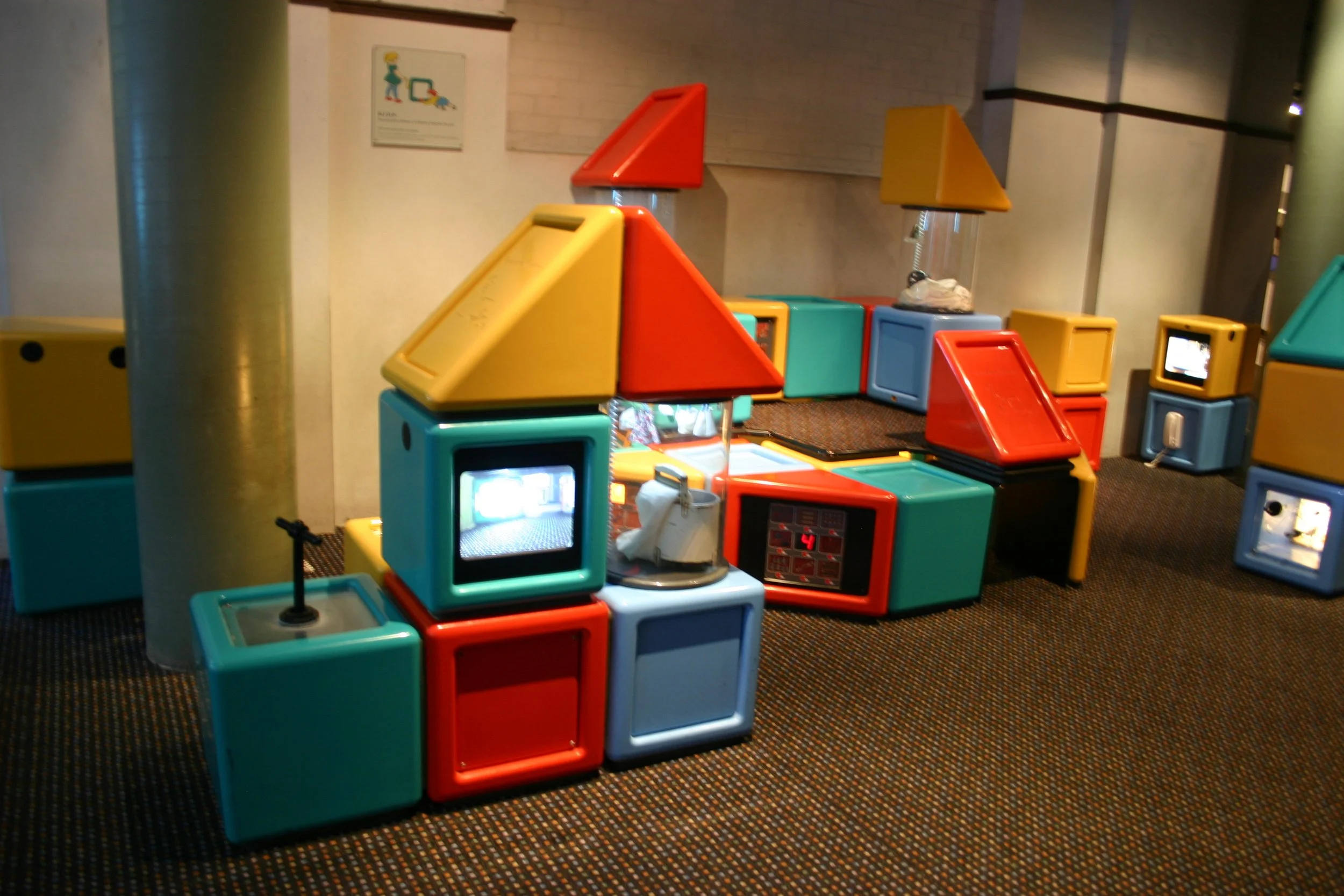
The Museum wanted to replace its aging series of permanent interactive children’s exhibitions with a cutting edge, modular design, that could engage families in different storyworlds across the Museum. With an open brief we focused on inspiring children ages 2-8, to adopt habits of “healthy eating and healthy exercise” to mitigate the rising incidence of fatal illnesses including obesity and diabetes.
Key insights
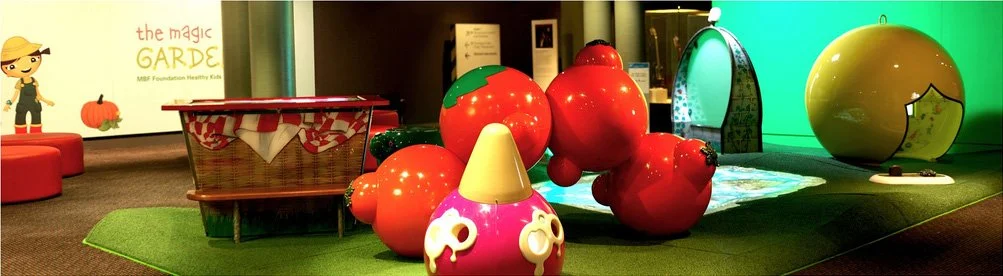
We learned that informing families about health matters struck fear, so we needed to inspire children with outdoor play activities they could replicate in nature, where we heard parents say they learned best about life. So we styled the playground into an overgrown veggie patch inspired by the magic of the Secret Garden in reinstating the much-needed inspiration and joy that was also missing in the health industry.
Key observations
We observed that children were drawn to the inspiration that storyworlds facilitated, not the storyworld itself as commonly believed.
From this observation I sensed that Storyworlds are a container for what we feel is true about the world around us. And it is specifically what feels true in that space that we’re drawn to. Hence why authenticity always inspires.
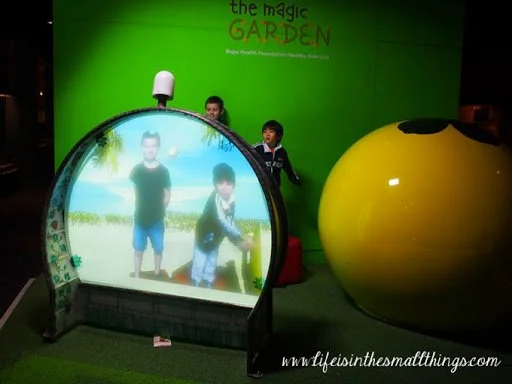
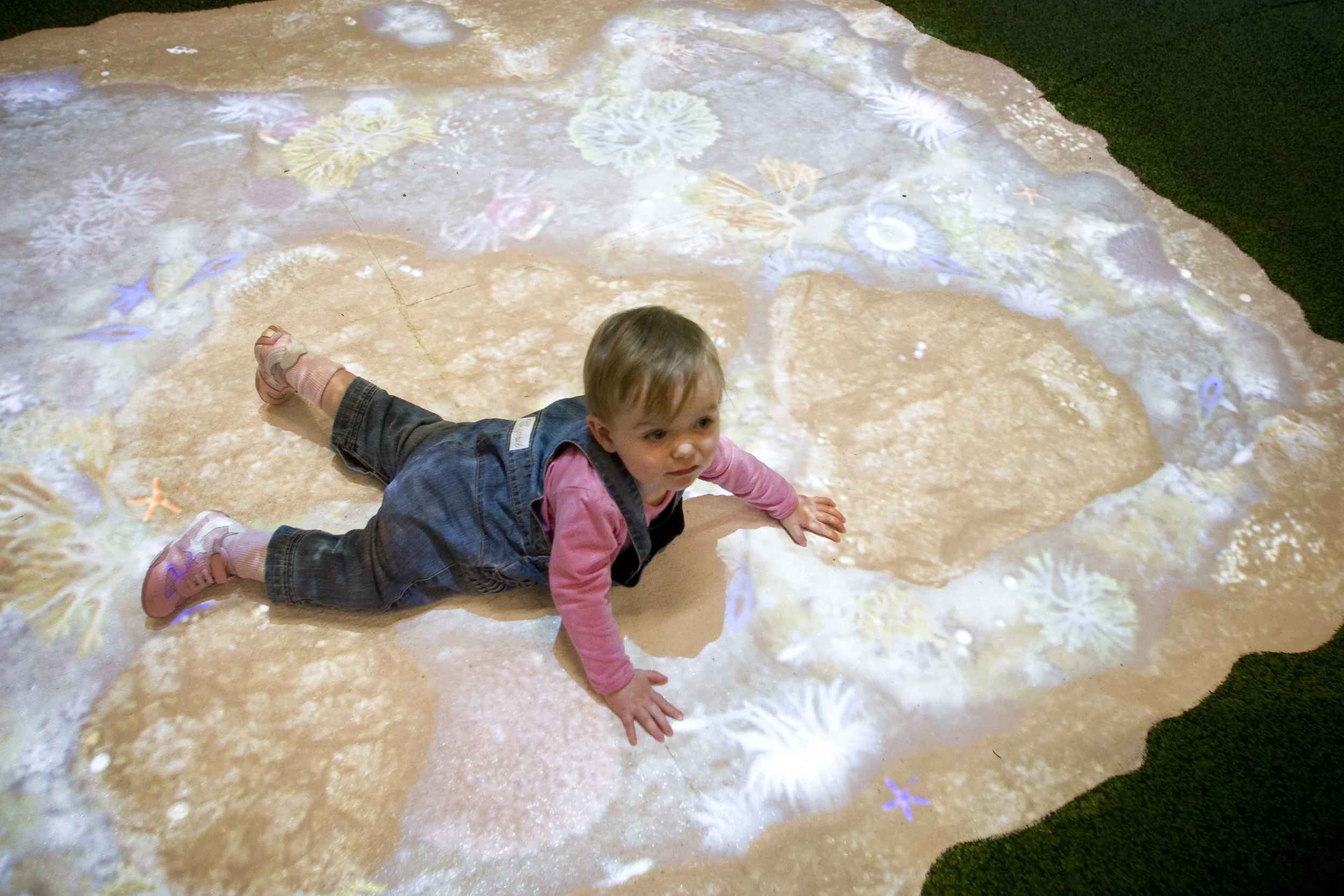
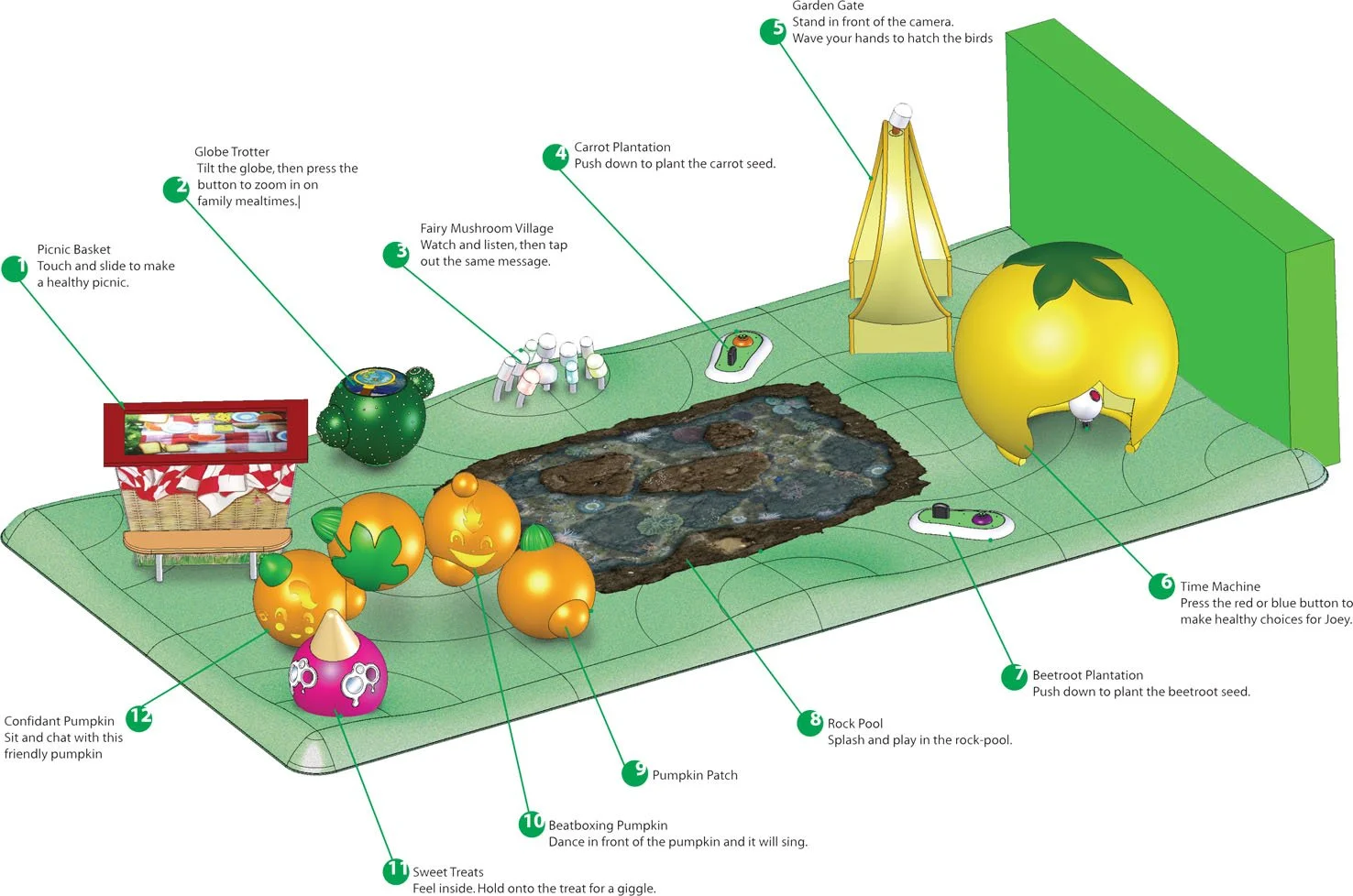
Digital technologies gave us the biggest flexibility to create storyworlds. But, excessive screentime was taboo and we couldn’t allow technology to become a distraction from the play activities. So we integrated all technology seamlessly into the architecture, like this digitally projected rockpool children splashed in - to the sounds of seagulls.
Images courtesy of Tot Hot or Not
Innovation in Pedagogy
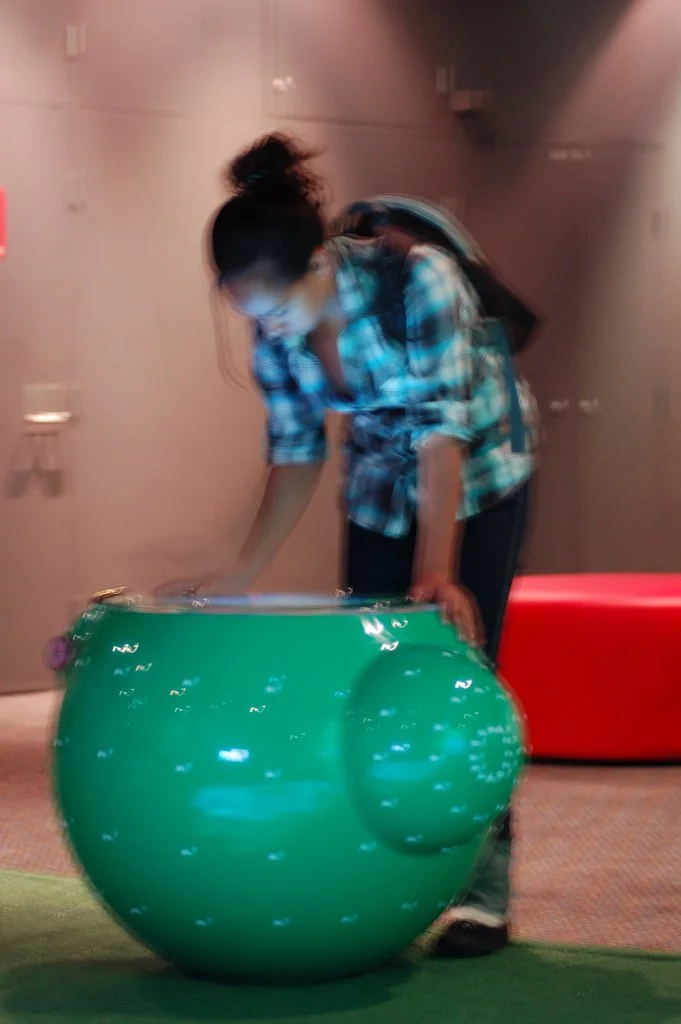
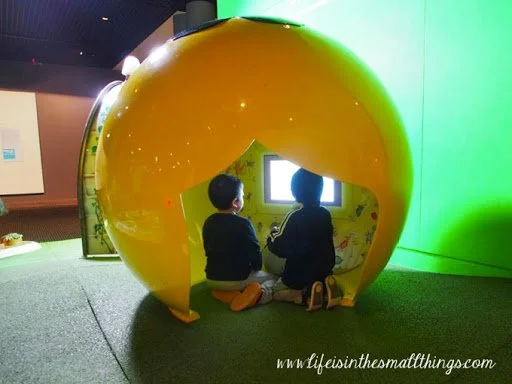
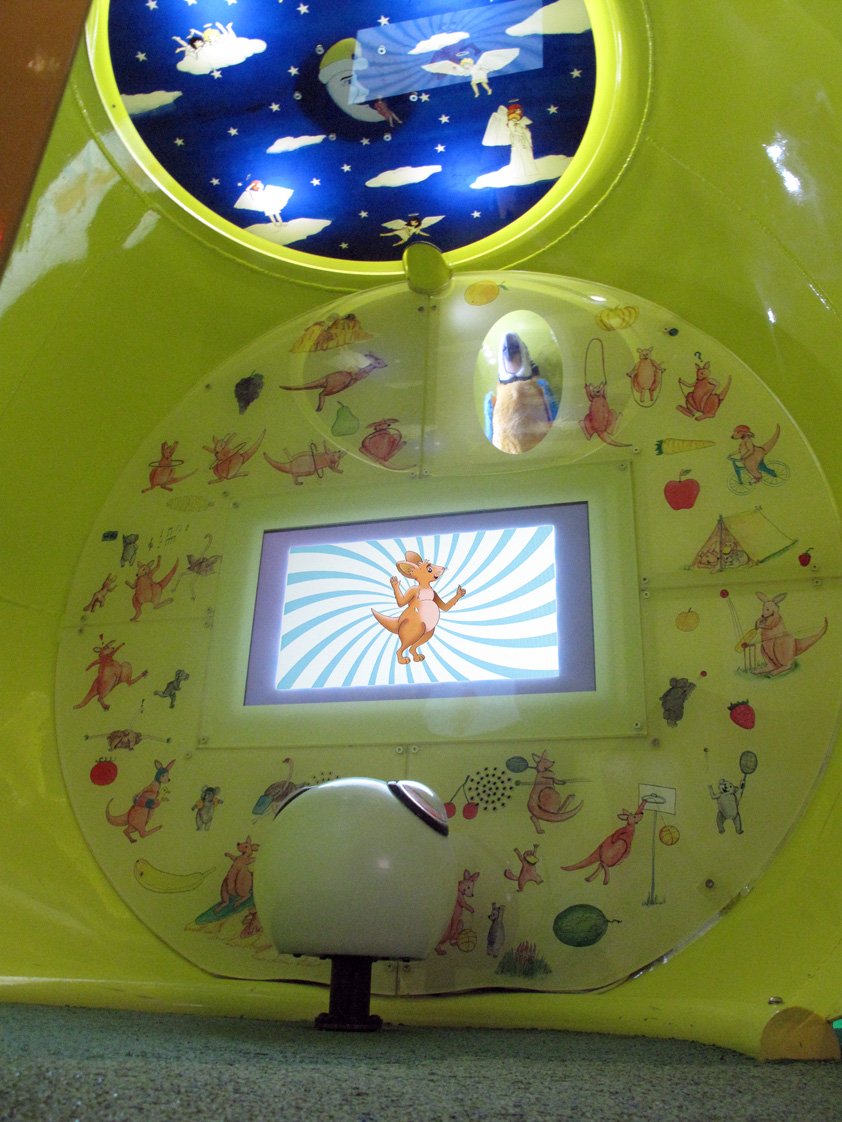
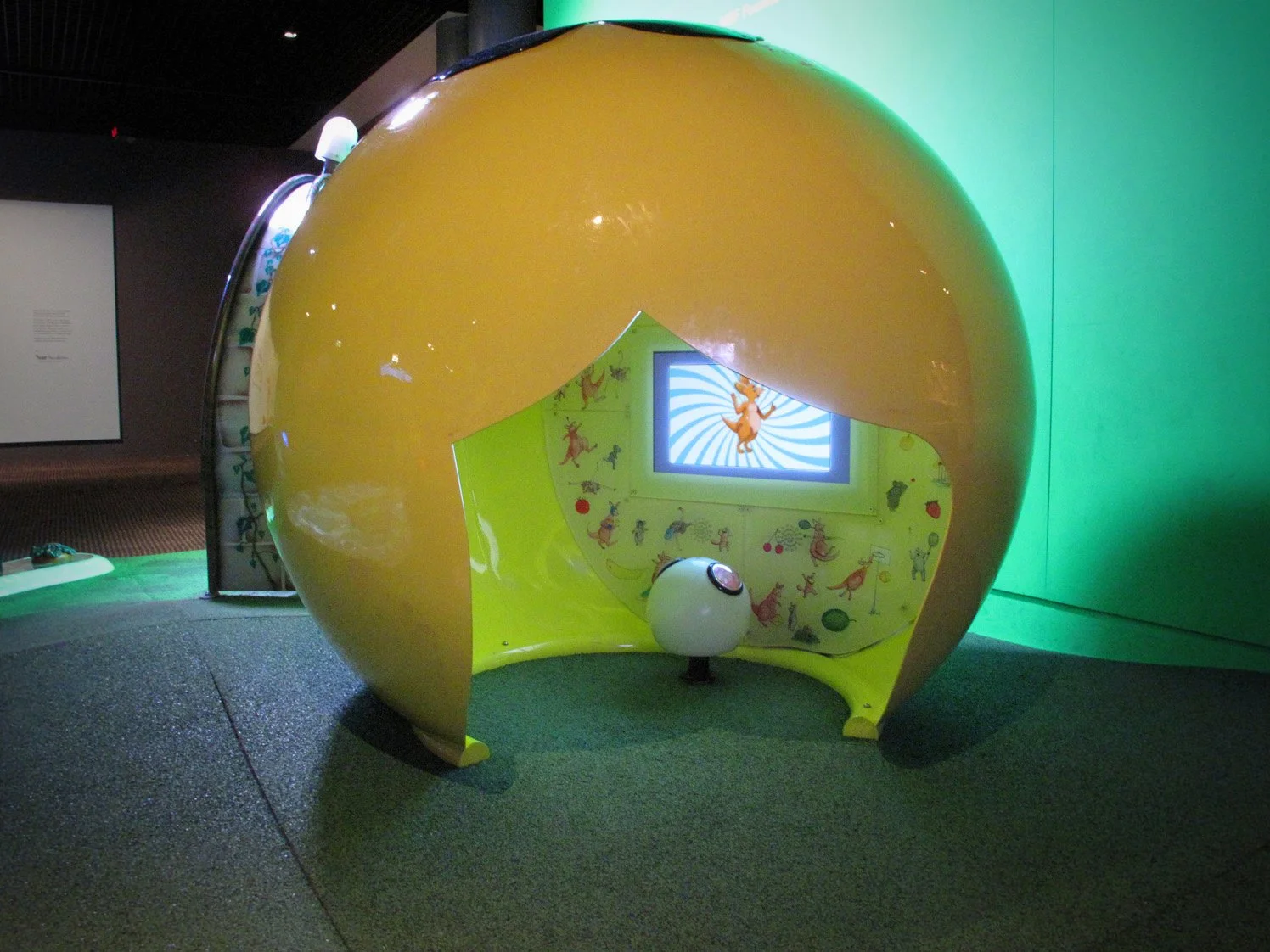
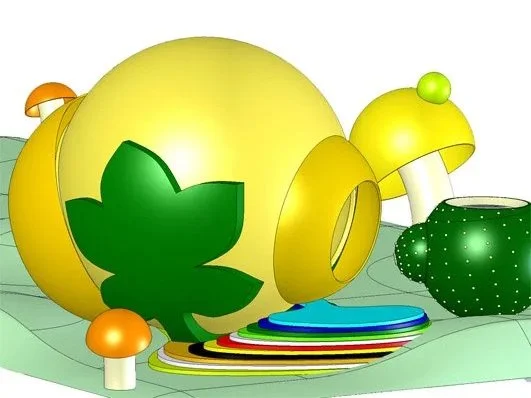
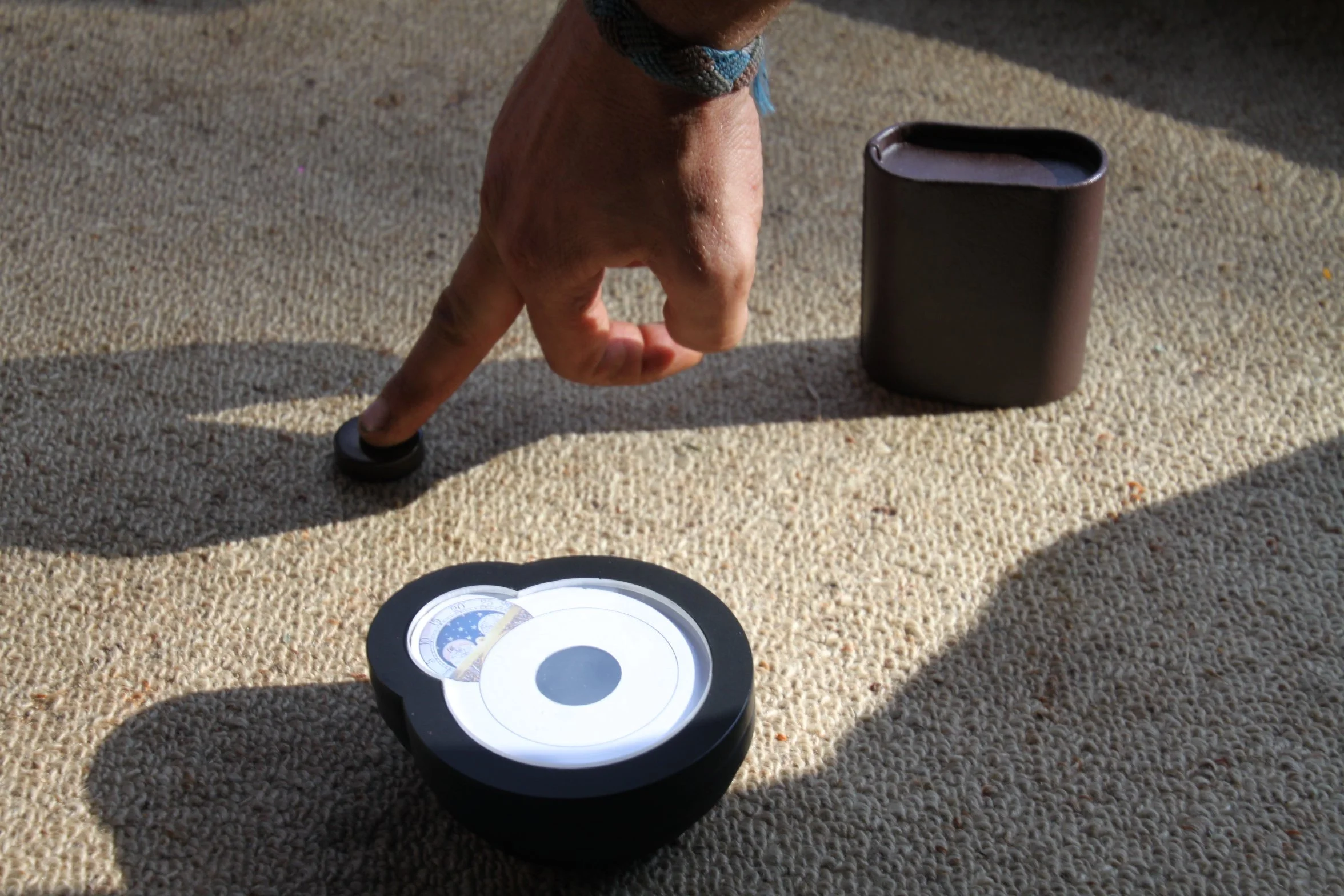
Themes that required reflection were too challenging to translate into games innately familiar to humanity. Any solution we came up with had already been done with minimal success. So we formed a team of the type of talent that had previously not been used to tackle “Healthy Eating and Healthy Exercise” to identify and prototype emerging pedagogical models. Doing philosophy with children (a.k.a. “Children’s Philosophy”) was emerging in schools worldwide, with teachers guiding the reflective conversations. Our sense was that children could do it on their own if they were already participating in it. So we prototyped it in an exhibit shaped like an oversized grapefruit, called the Time Machine. It allowed children to explore concepts such as “you are what you eat” and fast forward to see the consequences of their choices projected onto a character. Inspired, a member of the team then turned the project into a Master thesis at Bremen University in Germany.
technical innovation
Promoting physical play safely, changed the spatial requirements to become an indoor playground. This led me to design indoor rides with engineers and work with suppliers to develop innovations in how playgrounds are manufactured from being imprecise to being very precise. It gained us the precision necessary to incorporate the detailed fixtures of electronics, vandal resistance and child safety.
This video shows the collaborative process I use to develop innovations, with 2 examples:
1.Indoor theme park rides
2.Breakthroughs in how playgrounds are made.
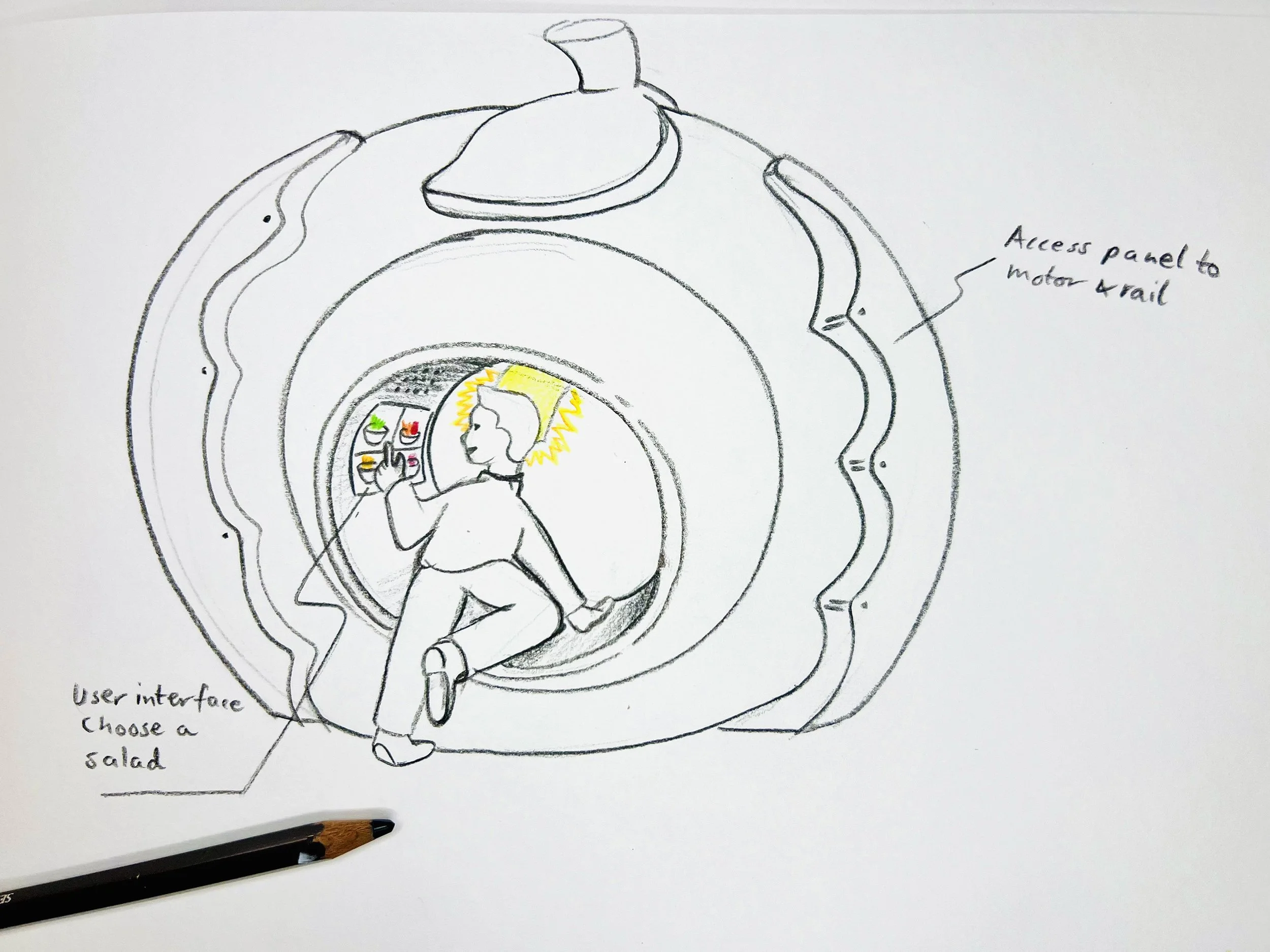
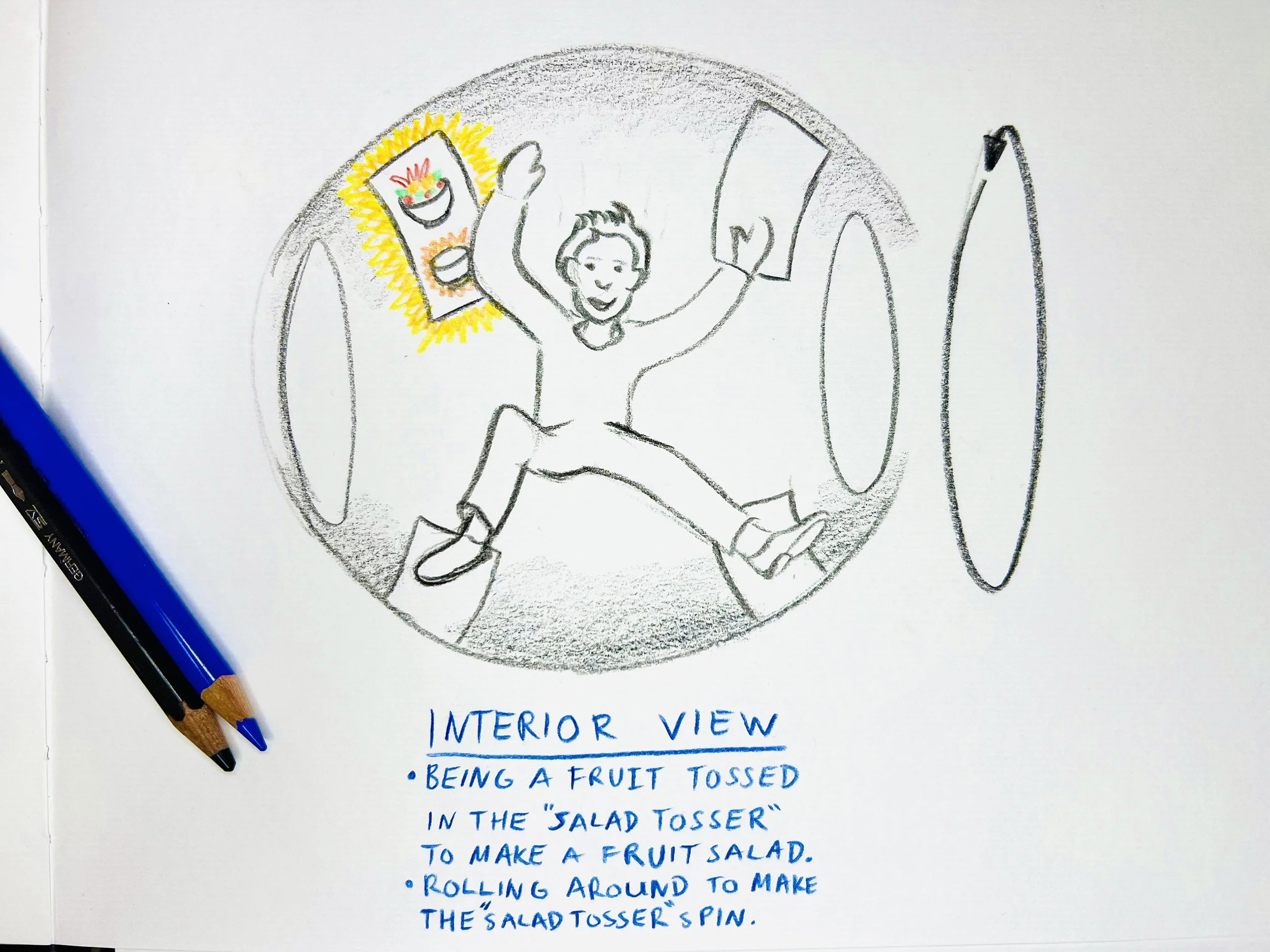
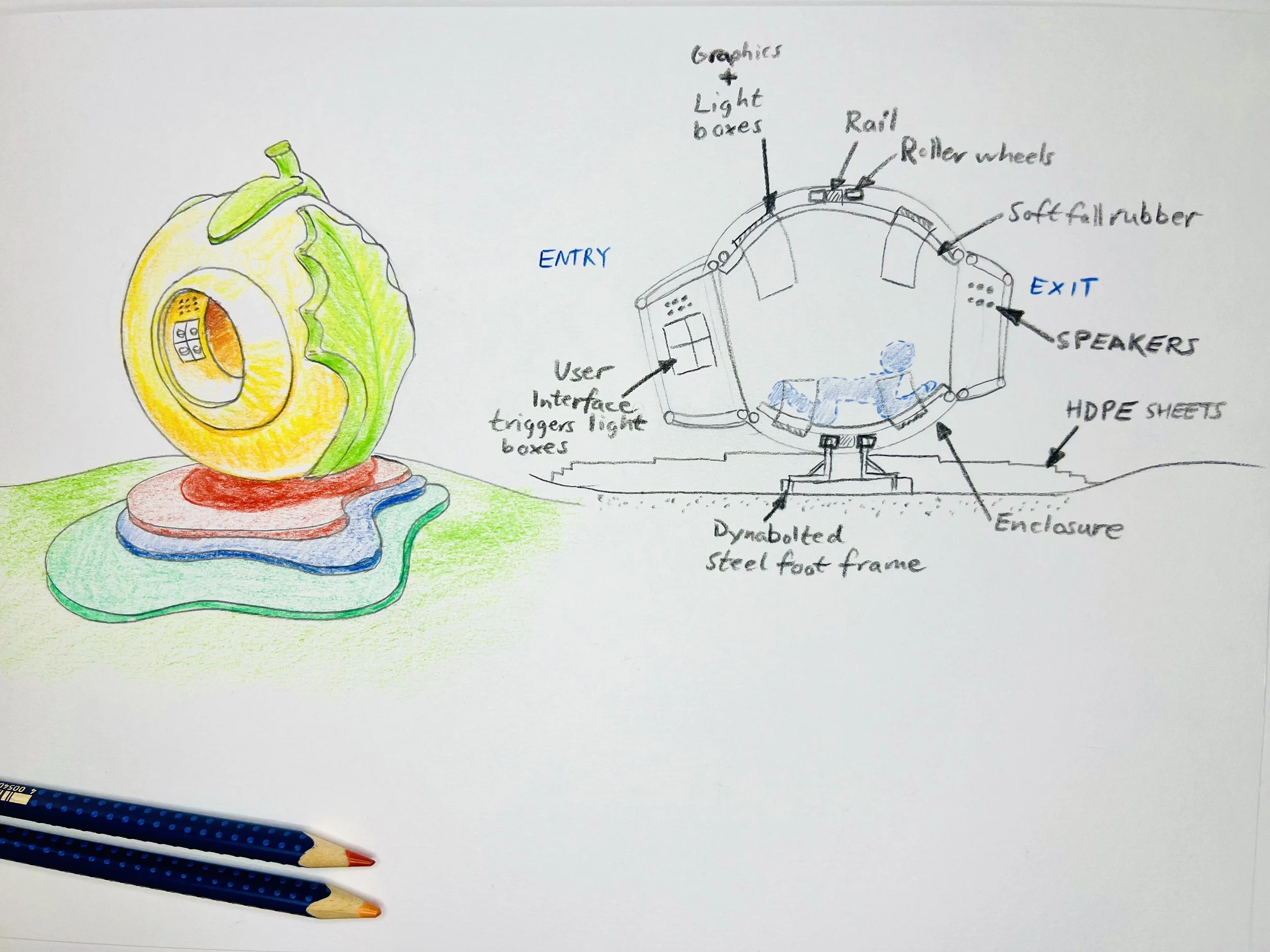
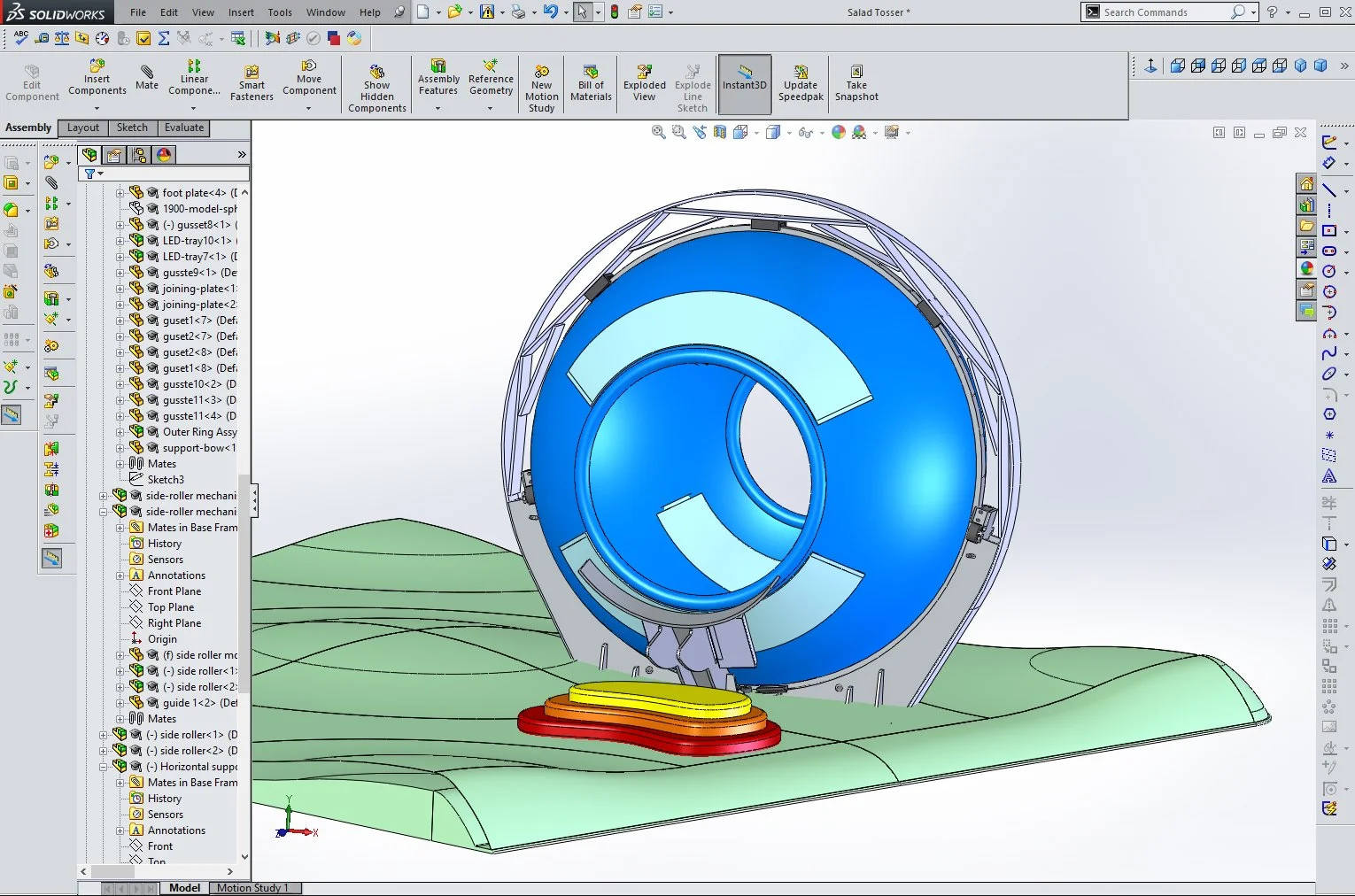
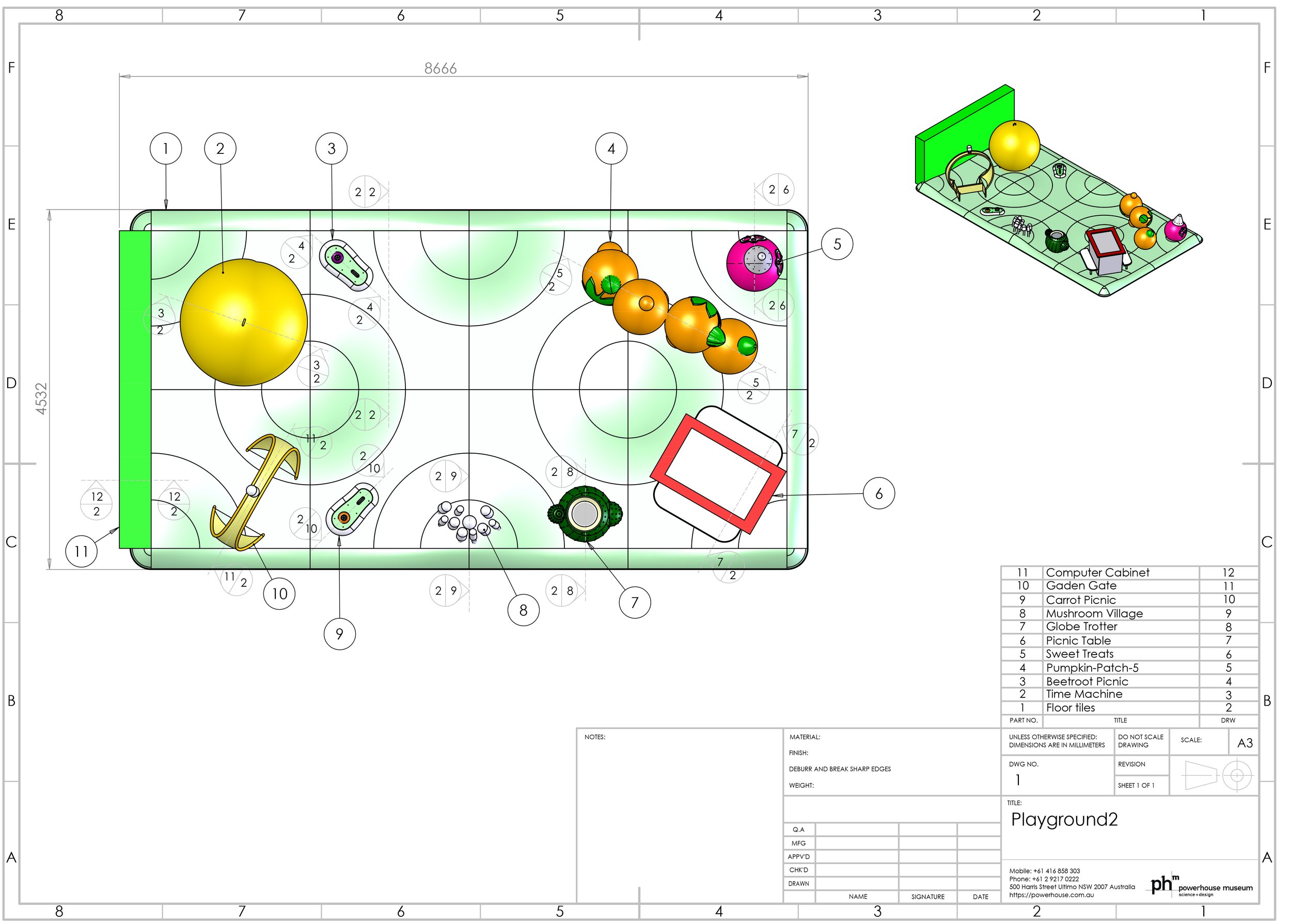
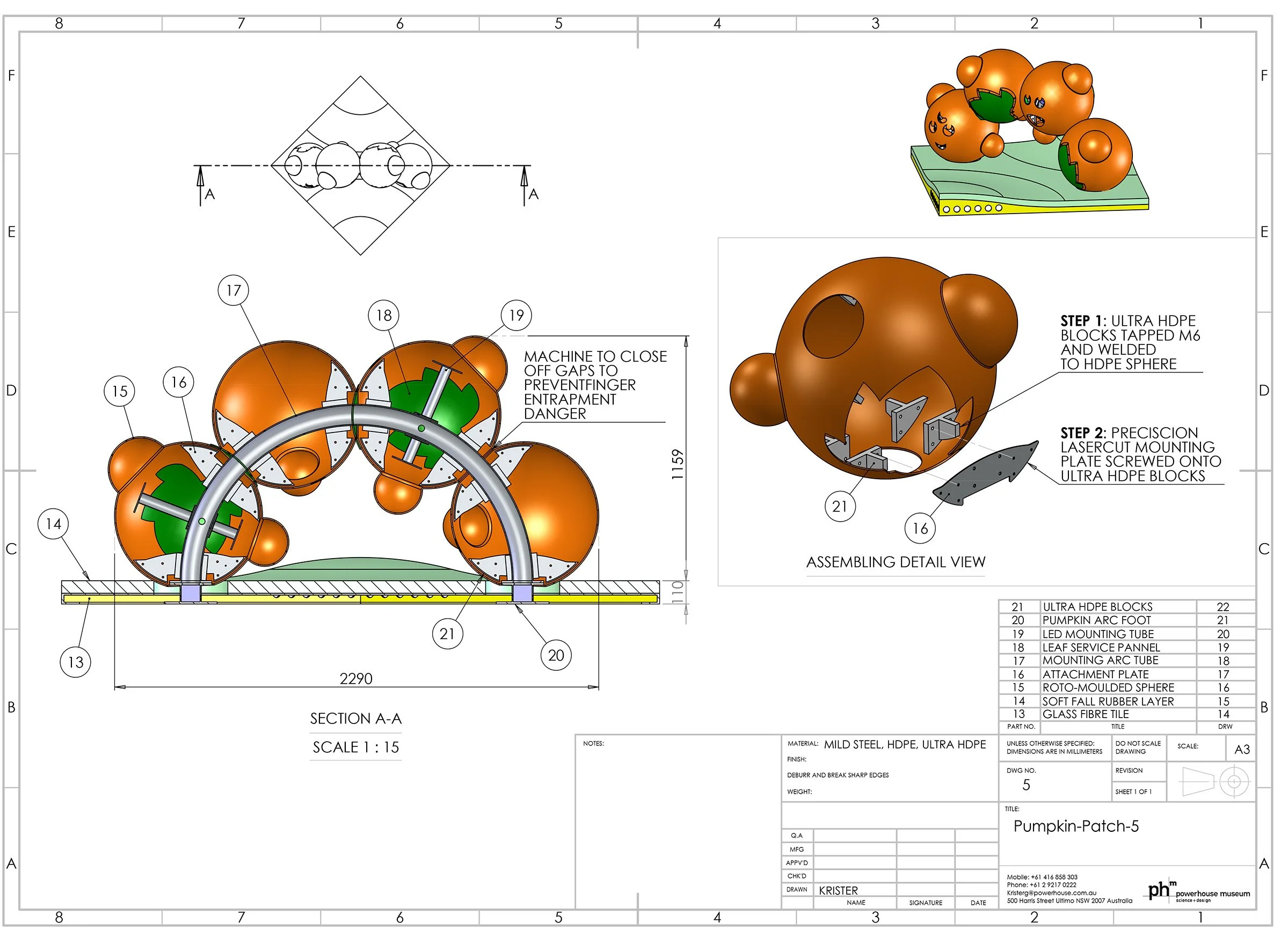
breakthroughs in How playgrounds are made explained in more detail
the Research and development process
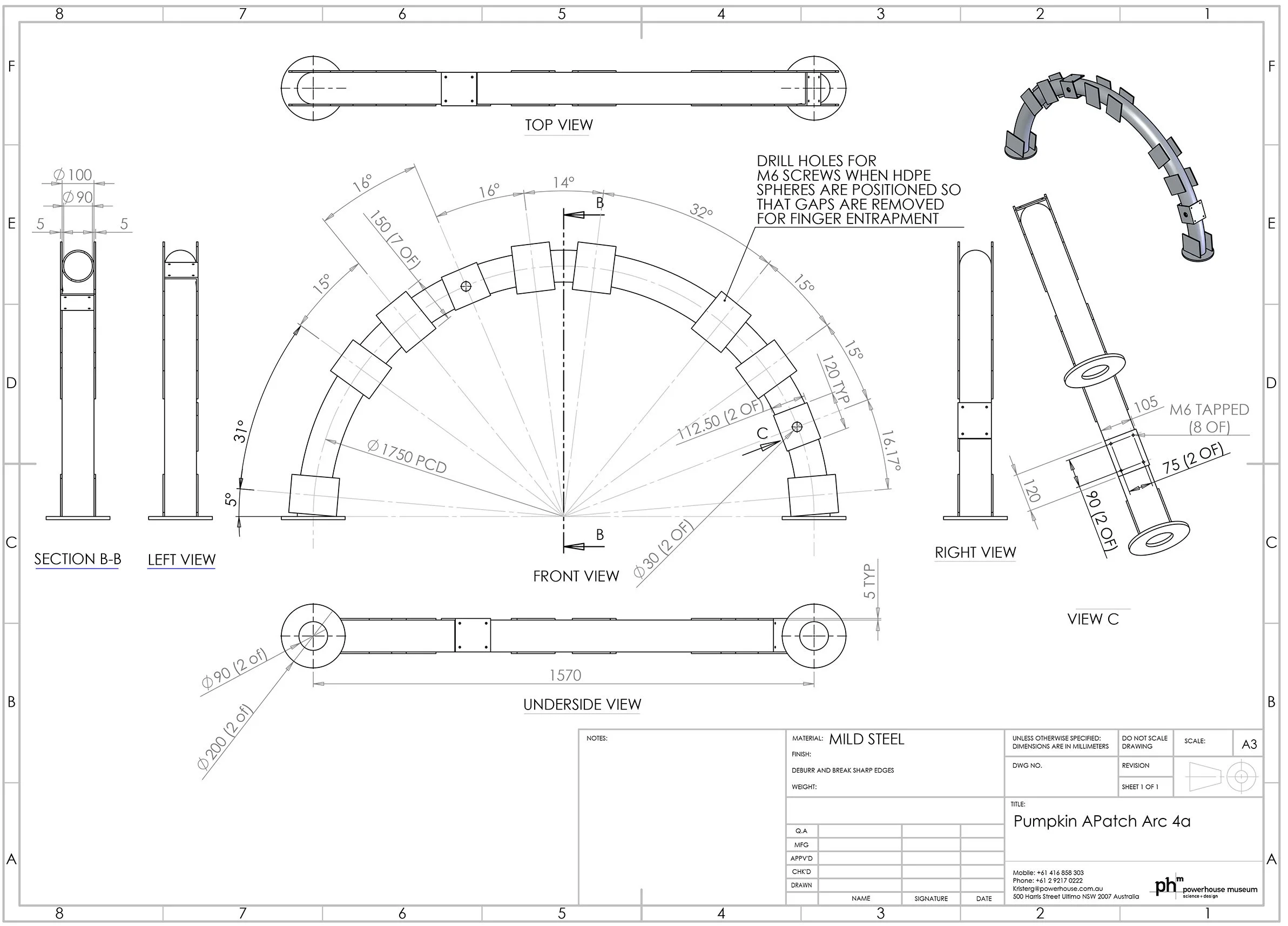
For this climbing arch of beatboxing and singing pumpkins, we needed to ensure all gaps were neatly closed off to prevent finger entrapment. The way the arc was assembled needed hiding from view because children were known to have arrived with screwdriver ready in hand to open exhibits up to see their workings inside.
creative thinking with Engineering & Manufacturing
Playground plastics (High Density Polyethylene) are too soft and flimsy, and Rotational Moulding used to manufacture playgrounds produce significant variances in the overall dimensions.
Traditionally, materials are only as strong as the weakest link and so glued and welded seams are where breaks often occur. But we learned that if we weld (melt) Ultra High Density Polyethylene onto an enclosure made from the lower density material, the exhibit would be stronger than the original two parts. Ultra High Density Polyethylene could also be machined with precision, though it was too soft to provide longterm structural support on its own. It would also give us the precision that we needed.
So I had the idea of attaching metal plates lasercut with precision to make this climbing arc of signing pumpkins even stronger, easy to install electronics, and meet Kidsafe Australia’s and our insurer’s safety requirements. We prototyped it and it worked perfectly.
Solution
Through lots of prototyping with our expanding list of stakeholders and audience we learned the requirements of an immersive pedagogical playground. Through iterations of the concept, the storyworld of a magical, overgrown veggie patch by the ocean, took its final shape. Being modular there was room for its expansion to include some of the less critical exhibits (that did not score as highly in a priority matrix workshop) and even an indoor theme park ride we had begun prototyping.
Impact
Magic Garden 1 pioneered pedagogical playgrounds. 50% of the families we surveyed received the key messages, through play alone. Magic Garden 1 grew engagement through word of mouth to become the Museum’s flagship exhibition for six years. The Museum described its pedagogical delivery as “a world first”. And the way the space engaged children in being philosophical was described as an innovation by University of NSW and Bremen University in Germany.
Learnings for
Magic Garden 2
After the launch, I saw the potential for landing something bigger that would significantly enhance the design’s impact across Sydney.
It led me to learn two essential things
Firstly, I observed that even preliterate children were engaged in being philosophical, despite being told it wasn’t possible before school started.
Through prototyping more exhibits and reading a global folkloric study on children’s street games by Iona and Peter Opie, I then realised that worldwide, we were all born with the innate ability to both play games like role playing and being philosophical, And that these two activities sparked a wide range of creative expression unique to each child including creative genius, hidden talents and the joy of learning together.
What it meant was that all we needed to spark creative genius in any child in any part of the world, was to give children a role playing space they could build their sets, props and costumes.
And I was hungry to prototype this hypotheses in Magic Garden 2, to see it in full effect.
The first prototype as a study
I began by making the Time Machine portable and hand-held so that I could observe preliterate children being philosophical and role playing across Sydney. Beyond proving that it was possible, I wanted to learn what core design features were needed to engaging any child or adult in order to facilitate a significant transformation.
Let’s Work Together
Inspired to collaborate or have questions? Give me a call, I’d love to support.
Mobile / WhatsApp / WeChat / Signal: +61 416 858 303
krister@krister.designer@gmail.com
Sydney, Australia (Chatswood)